
GYCAN — Global Youth Climate Action Network
Join GYCAN

Turning Climate Education
into Climate Action

Uniting universities, governments, UN bodies and young people across the Global North and the Global South.

Universities in
100 Countries by 2030

Six founding partners and advisers from fifteen countries, building a green mindset on every campus.

Every Campus a Driver
of Climate Action

Six core commitments for carbon neutrality, green curricula, research, youth, data and solidarity.

Launching at
COP31 Antalya

The official network launch takes place on 11 November 2026 at UNFCCC COP31, Antalya, Türkiye.

Network launch in

11 November 2026 · COP31, Antalya, Türkiye

--Days
--Hours
--Minutes
--Seconds
  • Green Mindset

    Climate action woven into every lecture, lab and campus operation.

  • Youth Leadership

    Young leaders aged 18–35 shaping decisions, projects and policy.

  • Sustainable Future

    A just, green transition shared by the Global North and South.

GYCAN
at a Glance

The Global Youth Climate Action Network is a global alliance of universities, governments, UN bodies and civil-society organisations, launched at COP31 Antalya, that connects young people and higher-education institutions across the Global North and the Global South.

Founded by the UNESCO Chair on Education for Sustainable Development, Green Skills and Climate Actions together with the Bangladesh Climate Change Trust, Bappenas (Indonesia), Global Youth Philanthropy (United States), the Ministry of Industry of Ethiopia and the WHO Regional Office for Africa.

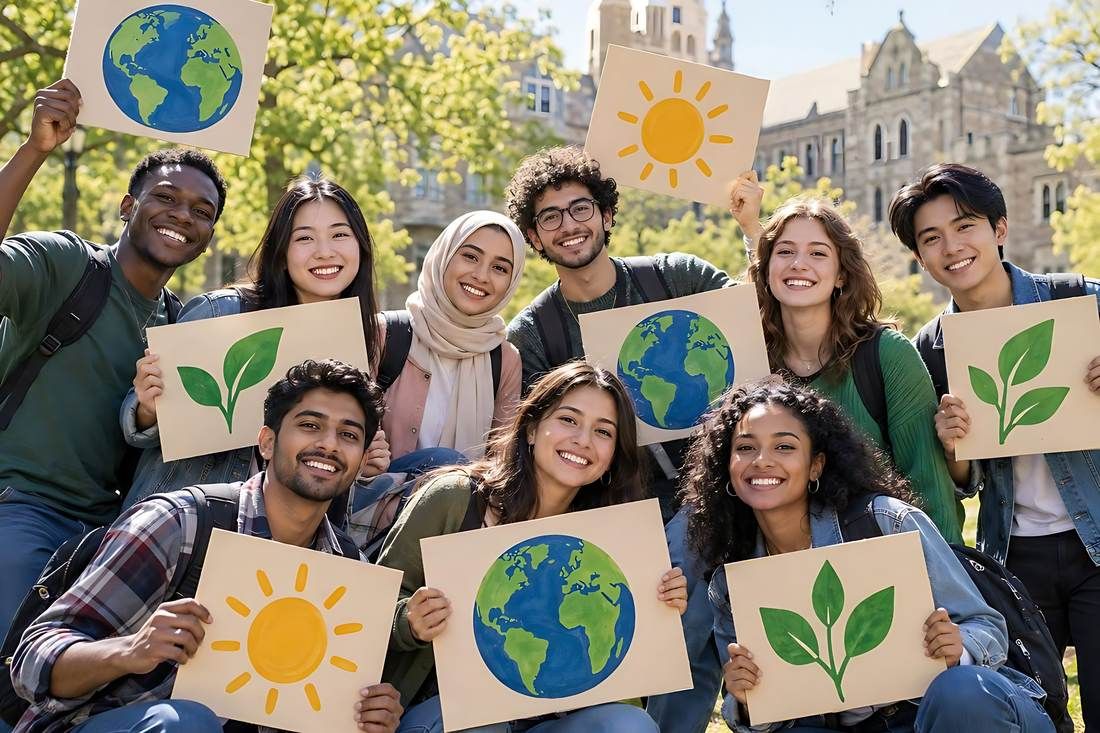
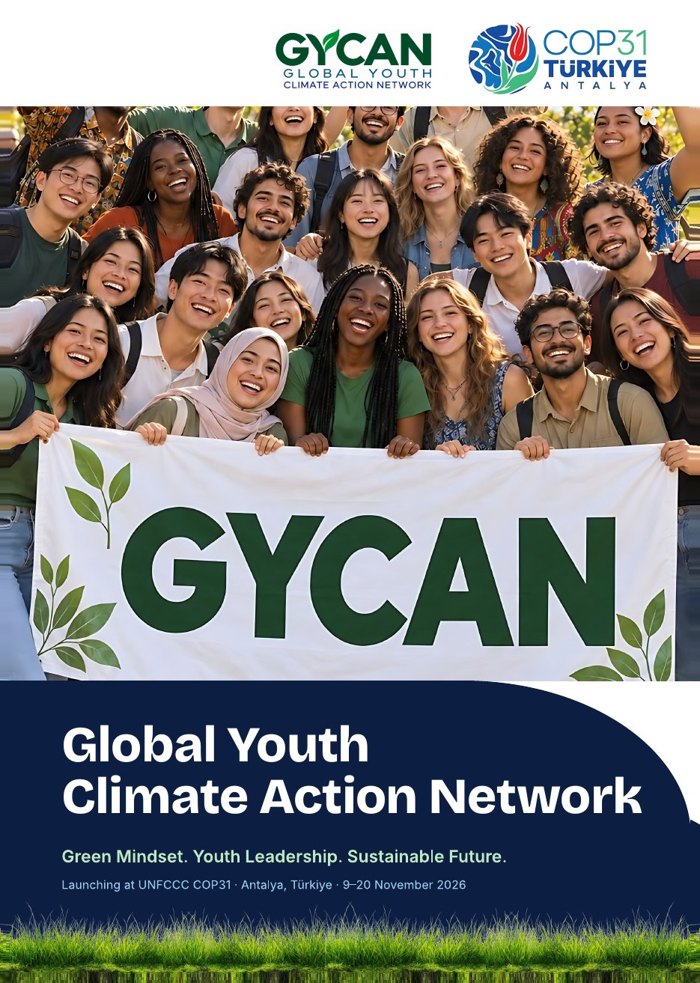
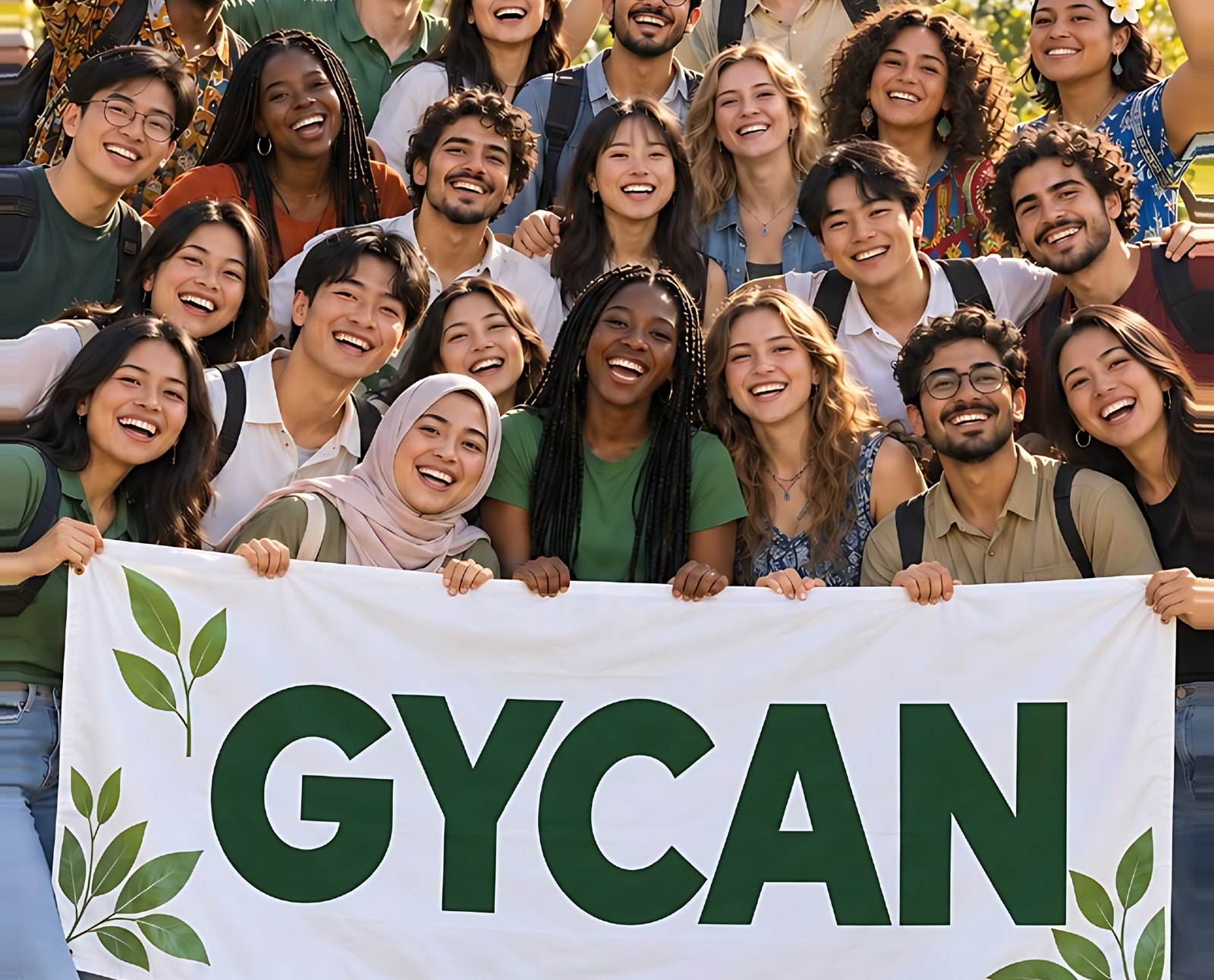
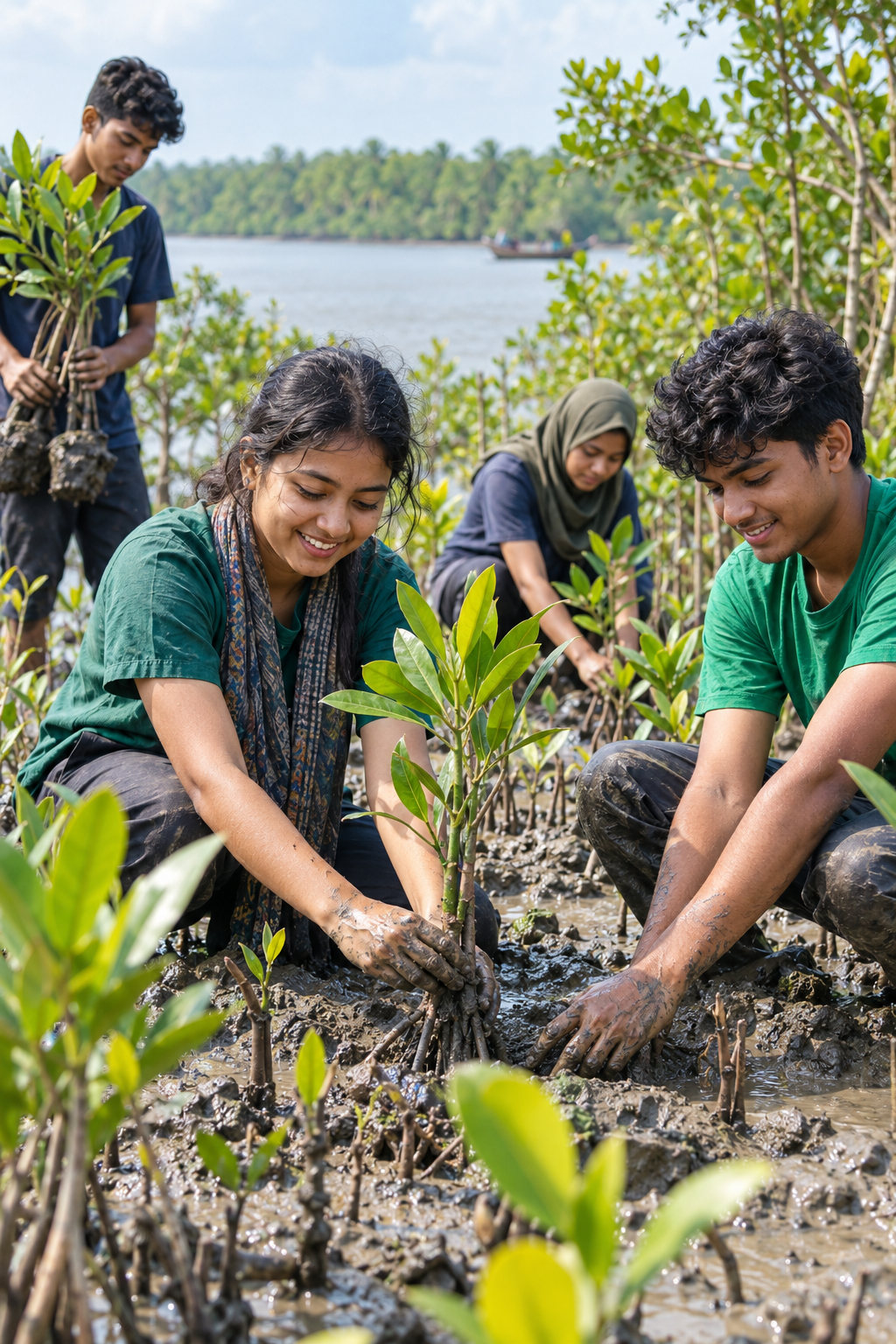
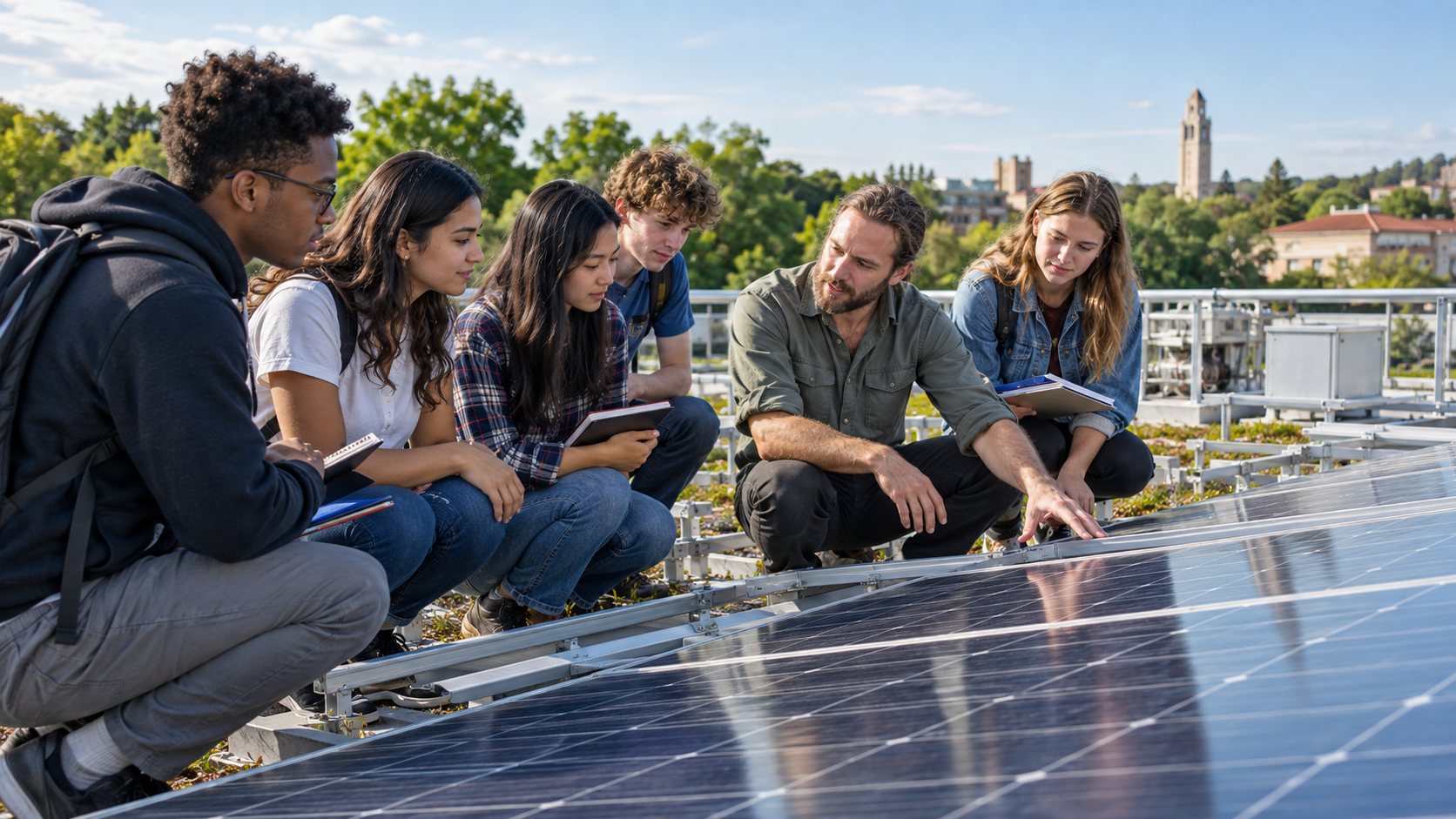
Young people from around the world holding a GYCAN banner
100
Countries with member universities by 2030
6
Founding partners
15
Countries on our partner and advisory boards
6
Sub-regions with regional hubs
2026
Launch at UNFCCC COP31, Antalya

Founding partners

  • UNESCO Chair on Education for Sustainable Development, Green Skills and Climate Actions
  • Bangladesh Climate Change Trust (BCCT)
  • Ministry of National Development Planning / Bappenas, Republic of Indonesia
  • Global Youth Philanthropy (GYP)
  • Ministry of Industry, Federal Democratic Republic of Ethiopia
  • World Health Organization Regional Office for Africa

Discover GYCAN

A climate-ready generation leading a just, green and sustainable future. We unite universities, governments and youth to advance green education, research and leadership — turning every campus into a driver of climate action.

  • Green Mindset
  • Youth Leadership
  • Sustainable Future
  • Global North–South Solidarity
  • Education as Climate Action
  • Our Vision

    A climate-ready generation leading a just, green and sustainable future.

    Learn more
  • Our Mission

    Uniting universities, governments and youth to advance green education, research and leadership.

    Learn more
  • Youth Leadership

    Young leaders aged 18–35 hold a seat on the Governing Board and co-design our initiatives.

    Learn more
  • North–South Solidarity

    Pairing universities across the Global North and South in exchanges, research and mentoring.

    Learn more
  • GreenBook Platform

    Our global social and knowledge platform for the climate community.

    Visit GreenBook ↗
  • Education as Climate Action

    Green skills, carbon reporting and climate curricula on every member campus.

    Learn more

Message from the Convenors

One world, one shared future

The Global Youth Climate Action Network brings together universities, governments, UN bodies and young people across the Global North and the Global South to turn climate education into climate action.

GYCAN is launched at UNFCCC COP31 in Antalya, Türkiye, by six founding partners: the UNESCO Chair on Education for Sustainable Development, Green Skills and Climate Actions; the Bangladesh Climate Change Trust (BCCT), Ministry of Environment, Forest and Climate Change, Government of the People’s Republic of Bangladesh; the Ministry of National Development Planning (Bappenas), Republic of Indonesia; Global Youth Philanthropy (GYP), United States; the Ministry of Industry, Federal Democratic Republic of Ethiopia; and the World Health Organization Regional Office for Africa.

Our ambition is clear: member universities and partners in 100 countries by 2030, a green mindset on every campus, and a generation of young leaders equipped to deliver a just, green and sustainable future.
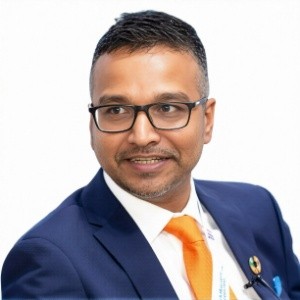
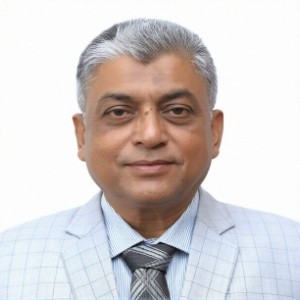
  • Professor Dr. Mohammad Nurunnabi

    Chair, Founding Governing Board

    Professor Dr. Mohammad Nurunnabi

    UNESCO Chair — Education for Sustainable Development, Green Skills and Climate Actions

    Co-Facilitator, GYCAN

  • Mr. Kazi Rawnaqul Islam

    Co-Chair, Founding Governing Board

    Mr. Kazi Rawnaqul Islam

    Managing Director, Bangladesh Climate Change Trust (BCCT)

    Ministry of Environment, Forest and Climate Change, Government of the People’s Republic of Bangladesh

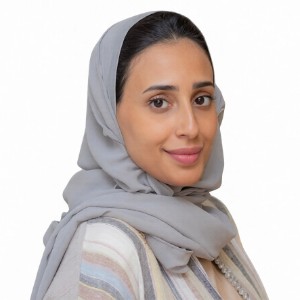
  • H.H. Princess Abeer S. bin Farhan Al Saud

    Co-Chair, Founding Governing Board

    H.H. Princess Abeer S. bin Farhan Al Saud

    Chair and Founder, TALGA

    Saudi Arabia’s first NPO on Sustainability

The GYCAN Story

“This is our world — one planet, one shared future. We need to care for it, together.”

GYCAN began with a simple conviction: education is climate action. Universities train the engineers, teachers, planners and leaders who will deliver the net-zero transition, yet capacity, research and finance remain deeply unequal between the Global North and the Global South.

By joining universities, governments, UN bodies and young people in one network, GYCAN turns every campus into a driver of climate action — from carbon accounting and green curricula to youth-led projects in the communities most exposed to climate change.

See our commitments
Green MindsetYouth LeadershipSustainable Future

Six Core Commitments

All member universities commit to advancing these six pillars — the common framework against which every member university is held accountable.

    • Establish an institutional net-zero target with a defined timeline
    • Report annual Scope 1–3 emissions using a standardised protocol
    • Participate in regional carbon footprint benchmarking
    • Integrate ESD and climate modules across 50% of programmes by 2028
    • Develop certified green skills tracks in priority disciplines
    • Offer interdisciplinary sustainability programmes
    • Participate in regional research consortia on climate solutions
    • Contribute to the annual GYCAN publication series
    • Share research outputs via open-access platforms
  • Global North & South collaboration

    • Support youth-led climate initiatives and innovation projects
    • Pair Global North and Global South universities in youth exchanges and joint projects
    • Establish a climate literacy baseline assessment
    • Submit annual sustainability reports using a common framework
    • Participate in THE Impact Rankings or equivalent
    • Contribute to the Regional SDG 4–13 Live Monitoring Dashboard
    • Mentor universities from underserved regions seeking accreditation
    • Provide technical assistance to climate-vulnerable institutions
    • Share resources and expertise across the network

Our World: We Need
to Care, Together

Key global climate facts that make youth-led, education-driven climate action urgent.

Why GYCAN
1.55 °C
Global mean temperature in 2024 above the pre-industrial level — the warmest year on record (WMO)
57 GtCO₂e
Global greenhouse-gas emissions in 2023 — a record high (UNEP Emissions Gap Report 2024)
42%
Cut in global emissions needed by 2030 to keep 1.5 °C within reach (UNEP)
3.3–3.6 bn
People living in contexts highly vulnerable to climate change (IPCC AR6)
195
Parties to the Paris Agreement under the UNFCCC
US$ 300 bn
New annual climate-finance goal for developing countries by 2035, agreed at COP29 (NCQG)

Sources: WMO State of the Global Climate 2024; UNEP Emissions Gap Report 2023–2024; IPCC Sixth Assessment Report; UNFCCC (Paris Agreement; COP29 New Collective Quantified Goal).

Our Founding Partners

GYCAN is initiated by six founding partners spanning higher education, government, civil society and the UN system, and supported by advisers from fifteen countries.

01

UNESCO Chair

Academic anchor and convenor — Education for Sustainable Development, Green Skills and Climate Actions

Professor Dr. Mohammad Nurunnabi, Academic Visitor, St Antony’s College, University of Oxford; World’s Top 2% Scientists — Stanford University.

Chair of the Founding Governing Board and co-host of the Secretariat

02

Bangladesh Climate Change Trust

Government partner — Ministry of Environment, Forest and Climate Change, Government of the People’s Republic of Bangladesh

Custodian of the Bangladesh Climate Change Trust Fund. Dhaka, Bangladesh.

Founding partner and host of the South Asia Regional Hub

03

Bappenas, Republic of Indonesia

Government partner — Ministry of National Development Planning

National coordinating body for development planning and the SDGs. Jakarta, Indonesia.

Founding partner and host of the Southeast Asia & Pacific Regional Hub

04

Global Youth Philanthropy (GYP)

Civil society partner — United States · Canada · China

Unite Youth Power, Innovate Philanthropic Practices. Boston, San Francisco, Toronto and Shanghai; aligned with UN Youth 2030 and the SDGs.

Founding partner — Youth Philanthropy & Social Innovation

05

Ministry of Industry, Ethiopia

Government partner — Federal Democratic Republic of Ethiopia

Green industrialisation, skills and youth employment. Addis Ababa, Ethiopia.

Founding partner and host of the Africa Regional Hub

06

WHO Regional Office for Africa

UN partner — World Health Organization

Climate, health and resilience across the African Region. Brazzaville, Republic of the Congo.

Founding partner and climate & health lead

With the support of

  • Government of the People’s Republic of BangladeshGovernment of Bangladesh
  • Bangladesh Climate Change TrustBangladesh Climate Change Trust
  • COP31 Türkiye AntalyaCOP31 Antalya, Türkiye
  • TALGATALGA, Saudi Arabia
  • Sustainable Development GoalsUN Sustainable Development Goals

Our Network

Join the network
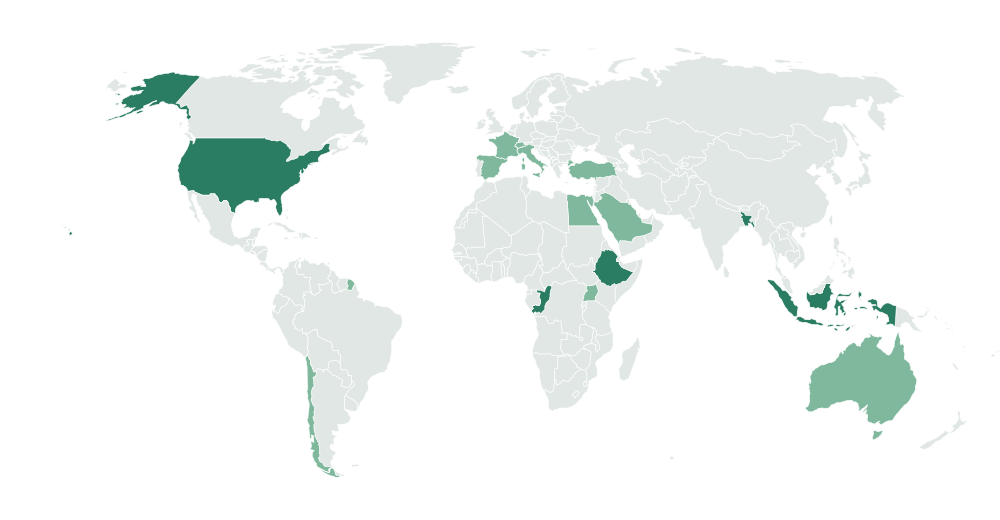
World map highlighting GYCAN partner and advisory board countries
  • Bangladesh
  • Indonesia
  • Türkiye
  • Ethiopia
  • Rep. of the Congo
  • Saudi Arabia
  • Egypt
  • France
  • Spain
  • Australia
  • Italy
  • Uganda
  • United States
  • Switzerland
  • Chile

Founding partner countriesPartner and advisory board countries

Partner and advisory board countries

  • Bangladesh
  • Indonesia
  • Türkiye
  • Ethiopia
  • Rep. of the Congo (WHO Africa)
  • Saudi Arabia
  • Egypt
  • France
  • Spain
  • Australia
  • Italy
  • Uganda
  • United States
  • Switzerland
  • Chile

Six founding partners. Fifteen countries represented. One network for 100 countries by 2030.

Six sub-regions, each with a regional hub and priority focus

  • South Asia

    Bangladesh Hub

    Climate vulnerability, adaptation, climate finance, green skills

  • Southeast Asia & Pacific

    Indonesia Hub

    Disaster resilience, youth, green skills

  • Türkiye, MENA & Central Asia

    Türkiye Hub

    Just transition, NEET, green skills

  • Africa

    Ethiopia & WHO Africa Hub

    Green skills, climate & health

  • Europe & the Americas

    Network-wide

    Research excellence, finance, green skills

  • SIDS & LDCs

    Network-wide

    Vulnerability, adaptation, green skills

Our Contribution to SDG 4 and SDG 13

Bridging the Global North and the Global South

Join universities from 100 countries by 2030 in establishing the premier platform for global higher education and youth to advance both SDG 4 (Quality Education) and SDG 13 (Climate Action), while bridging the gap between the Global North and the Global South.

Development paradox
A negative correlation between education and climate
Emissions crisis
Regional GHG emissions exceed 20,000 MtCO₂e annually
Capacity gaps
Severe North–South disparities in accreditation, research and green skills
Financing shortfall
Education expenditure averages only 3.6% of GDP
Youth employment
NEET rates reach 28.2%; green-economy pathways are urgently needed

GYCAN’s work contributes directly to twelve Goals, with SDG 4 and SDG 13 at its core.

  • SDG 3: Good health and well-being
  • SDG 4: Quality education
  • SDG 5: Gender equality
  • SDG 7: Affordable and clean energy
  • SDG 8: Decent work and economic growth
  • SDG 9: Industry, innovation and infrastructure
  • SDG 10: Reduced inequalities
  • SDG 11: Sustainable cities and communities
  • SDG 12: Responsible consumption and production
  • SDG 13: Climate action
  • SDG 15: Life on land
  • SDG 17: Partnerships for the goals

Network Mission

The premier platform for universities and youth worldwide to drive coordinated action on the education–climate nexus.

  • Integrate climate action across teaching, research and operations
  • Develop green skills curricula aligned with net-zero transitions
  • Standardise carbon footprint reporting using unified protocols
  • Advance research on climate solutions and sustainability
  • Bridge the Global North–South gap in climate education, research and finance
  • Share best practices on Education for Sustainable Development
  • Bridge education quality and environmental stewardship
  • Mobilise climate finance for education resilience
  • Mentor underserved regions and vulnerable institutions

Governance Structure

GYCAN is governed by a nine-tier structure that places the six founding partners at the institutional centre, chaired by the UNESCO Chair with BCCT and H.H. Princess Abeer S. bin Farhan Al Saud as Co-Chairs. The structure is deliberately lean to keep decision-making efficient and accountability clear.

Decision rule

Consensus where possible at the Governing Board. Where a vote is required, a simple majority of members applies, with the Chair holding the casting vote. All public statements issued under the Network’s name require explicit clearance by the Governing Board.

Cost to the founding partners at launch

No new staff, no operational budget, no recurrent commitment. The founding partners retain full strategic authority while the UNESCO Chair and BCCT carry the operational load through the launch phase.

  1. 01Chair & Co-Chairs

    Chair: Professor Mohammad Nurunnabi, UNESCO Chair. Co-Chairs: Mr. Kazi Rawnaqul Islam, Managing Director, BCCT; and H.H. Princess Abeer S. bin Farhan Al Saud, Chair and Founder, TALGA. Strategic leadership on behalf of the founding partners; they represent GYCAN at high-level UNFCCC fora and at the COP31 World Leaders’ Summit in Antalya.

  2. 02Founding Governing Board

    Chaired by the UNESCO Chair; co-chaired by BCCT and H.H. Princess Abeer. Composed of the Chair and Co-Chairs, ministerial and senior representatives of each founding partner — Bangladesh (MoEFCC/BCCT), Bappenas, GYP, the Ministry of Industry of Ethiopia and WHO Africa — plus one senior representative from each of the six sub-regions and the Chair of the Founding Global Youth Leadership Committee. Sets the annual work plan; approves budgets, public statements and all policy outputs of the Network.

  3. 03Founding Global Advisory Board

    Senior government, UN, academic and civil-society leaders from the Road to COP31 partner community. Provides technical guidance; peer-reviews the annual Best Practice Report; advises on methodology, certification and standards. Additional members are proposed jointly by the founding partners.

  4. 04Secretariat

    Hosted by the UNESCO Chair and BCCT, with operational support provided in-kind during 2026–2027, regional hubs hosted by Bappenas (Jakarta) and the Ministry of Industry (Addis Ababa), and a climate–health workstream led by WHO Africa. Day-to-day operations: communications, member relations, reporting, events and dashboard maintenance. No new permanent post is required of the partner institutions at launch; arrangements are jointly reviewed at the end of Year 1.

  5. 05Founding Global Youth Leadership Committee

    The youth voice in governance. Young leaders (18–35) nominated by each founding partner and sub-region, plus Global Green Youth Leadership Award laureates. Holds a seat on the Governing Board; co-designs youth initiatives, the webinar series and the Global Green Book Platform.

  6. 06Founding Green Education & Research Council

    The academic engine. All academic and expert members holding doctoral or professorial rank, chaired by the UNESCO Chair; develops the Green Skills Curriculum Framework, certification standards, the Research & Policy Paper Series and the Global Green Universities Ranking methodology.

  7. 07Founding Indigenous Youth & Climate Committee To be formed

    Brings Indigenous youth voices, knowledge and land-based climate solutions into the Network; to be constituted in 2027 through nominations from member universities and Indigenous youth organisations in each sub-region.

  8. 08Founding Women & Climate Leadership Committee To be formed

    Advances gender-responsive climate education, research and leadership (SDG 5 × SDG 13); to be constituted in 2027 with women leaders from the founding partners, member universities and the Founding Global Advisory Board.

  9. 09Founding AI & Climate Committee To be formed

    Harnesses artificial intelligence and data for climate education, carbon reporting, the Global Green Book Platform and the Ranking; promotes responsible, inclusive AI skills for youth; to be constituted in 2027 with technology, data and climate experts.

BCCT, Bappenas, GYP, Ethiopia & WHO Africa

  • BCCT co-chairs the Governing Board and co-hosts the Secretariat

  • Custodians of member endorsement: the member list is published under the Co-Chairs’ signatures
  • Anchor GYCAN in national climate and SDG planning and host the Dhaka, Jakarta and Addis Ababa regional hubs; WHO Africa leads the climate–health workstream
  • Co-publishers of all GYCAN policy outputs, briefs and annual reports

UNESCO Chair — convenor

  • The UNESCO Chair chairs the Governing Board and co-hosts the Secretariat with BCCT (in-kind, 2026–2027)
  • The UNESCO Chair leads methodology, reporting standards and the annual Best Practice Report

Activities and Deliverables

An annual cycle of learning, capacity building, certification and recognition. Realistic targets to 2030; subsequent years follow the Governing Board’s biennial review.

November 2026 – December 2027

Year 1

  • Launch Communiqué issued at COP31 Antalya (November 2026)
  • Bi-monthly GYCAN webinar series: six sessions a year on ESD, green skills and climate action
  • GYCAN Global Green Book Platform launched, where member universities and youth share green initiatives, research, courses and best practices
  • Capacity-building programme for member universities: carbon accounting, climate reporting and green curriculum design
  • Global South Youth Climate Initiatives: seed support for youth-led projects, prioritising Global South members
  • Green Commitment Certification launched, recognising member universities delivering the Six Core Commitments
  • GYCAN Research & Policy Paper Series launched: open-access working papers and policy briefs on the education–climate nexus
  • GYCAN Global Green Youth Leadership Award, first presented at COP32 (2027), then every year

Scale, certify and recognise

2028 – 2030

  • Annual GYCAN Best Practice Report, co-published by the founding partners (from 2028)
  • First cohort of Green Commitment Certified universities recognised (2028)
  • GYCAN Global Green Universities Ranking: first edition 2028–2029
  • Global Green Book Platform expanded to all members as the hub for certification, award nominations and ranking data
  • Global Green Youth Leadership Award presented annually at each COP; Policy Paper Series continued each year
  • Biennial GYCAN Summit (2028, 2030; host selected by the Governing Board)
  • Joint policy submission to UNFCCC COP processes (2029)
  • Member universities in 100 countries by 2030; biennial review of governance and membership

Connecting the World for Climate Action

One Planet. One Community. One Green Future.

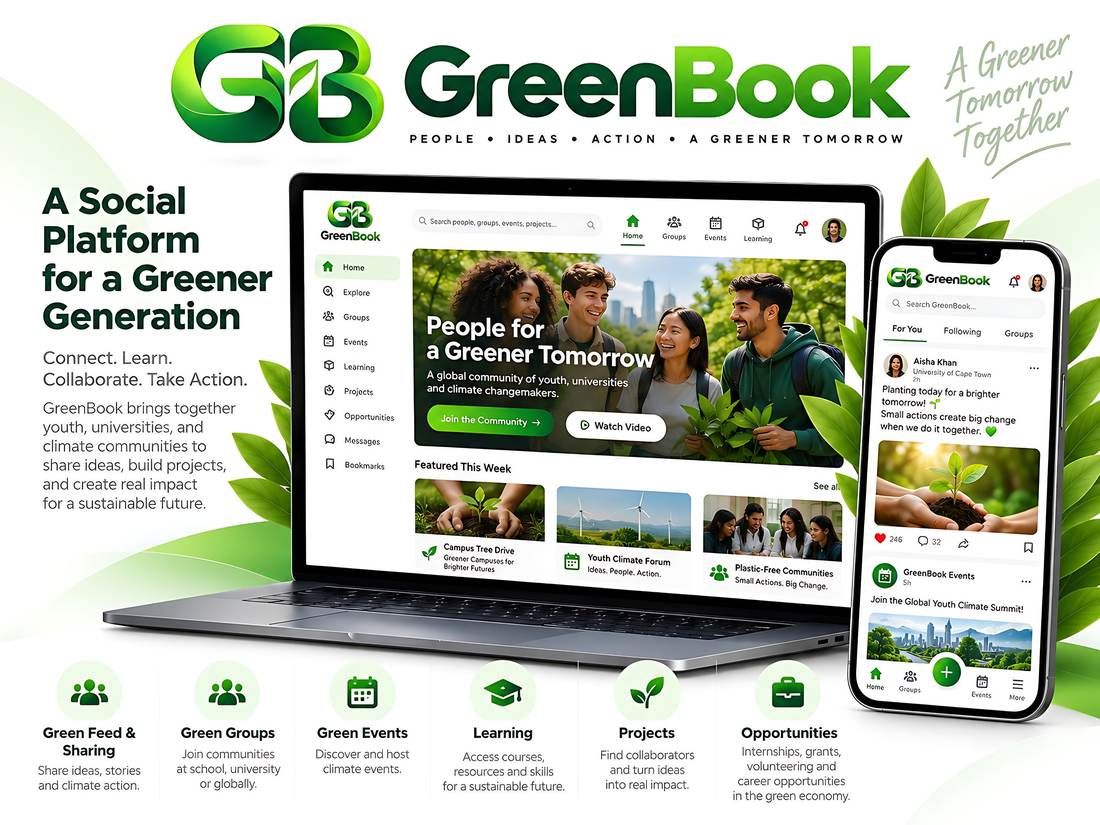
GYCAN will introduce GreenBook — a global social networking and knowledge-sharing platform dedicated to sustainability, green education, climate innovation and youth-led action. Built on the familiar format of social media, GreenBook gives the global climate community a shared digital home.

GreenBook will connect students, young climate leaders, universities, researchers, governments, UN agencies, civil society and green businesses across the Global North and the Global South — enabling members to exchange ideas, build partnerships, showcase innovation and turn climate awareness into measurable action.

100
Countries by 2030
2026–27
Development & launch
Global
North–South community

Visit GreenBook ↗ green-book.org

The GreenBook platform on laptop and mobile
The GreenBook platform — web and mobile.
  • Green Profiles & Networks

    Connect with individuals, institutions and climate communities worldwide.

  • Green Feed & Sharing

    Share updates, photos, videos, stories and climate initiatives.

  • Green Groups & Events

    Build communities, organise campaigns and join global events.

  • Green Learning & Research

    Access courses, webinars, publications and collaborative research.

  • Green Jobs & Opportunities

    Discover internships, scholarships, funding and green careers.

  • Green Projects & Innovation

    Showcase climate solutions, green entrepreneurship and youth-led initiatives.

  • Green Impact & Recognition

    Track climate contributions, celebrate achievements and earn recognition.

Connect Green. Share Green. Act Green.

Member Benefits

Knowledge & Capacity Building

  • Exclusive webinar series featuring global ESD experts
  • Technical training on carbon accounting and climate reporting
  • Curriculum development resources and green skills frameworks
  • Policy briefs and research syntheses

Recognition & Visibility

  • Official GYCAN membership designation and digital badge
  • Featured in network communications reaching global stakeholders
  • Priority consideration for UNESCO Chair appointments
  • Showcased in the annual Best Practice Report
  • Eligibility for the Global Green Youth Leadership Award (from COP32) and the Global Green Universities Ranking

Collaboration Opportunities

  • Connection to peer institutions in up to 100 countries by 2030
  • Access to regional research grants and funding
  • Student and faculty exchange programmes within the network
  • Partnership facilitation for joint programmes
  • Member profile and project showcase on the GYCAN Global Green Book Platform

Advocacy & Financial Support

  • Collective voice in climate education policy dialogues
  • Representation at COP side events and UNFCCC processes
  • Priority access to the Climate-Education Emergency Fund
  • Seed funding and matching grants for collaboration

Launch Timeline

11 November 2026

Official network launch on 11 November 2026 at UNFCCC COP31, Antalya, Türkiye

The Launch Communiqué is issued at COP31 Antalya and the call for members opens.

  • Founding Partner Agreement and launch brochure

    Milestone Oct 2026

  • Call for members opens (rolling) and the webinar series begins

    Milestone 2027

  • First Green Commitment Certification cohort and first GYCAN Summit

    Milestone 2028

  • Members and partners in 100 countries

    Target 2030

Cover of the GYCAN Brochure 2026

GYCAN Brochure 2026

Everything in one document: who we are, our six founding partners, the Six Core Commitments, governance, activities to 2030, GreenBook and how your institution can join.

How to Join

GYCAN is open to universities and to every organisation that can help young people lead climate action. Members join through a simple four-step process; partner organisations are welcomed on a rolling basis.

Universities & Higher-Education Institutions
Full members. Adopt the Six Core Commitments; eligible for Green Commitment Certification, the Global Green Universities Ranking and GYCAN awards.
UN Bodies & Intergovernmental Organisations
Institutional partners. Technical guidance, co-convening of events and policy channels to UNFCCC processes.
Governments, Ministries & Public Agencies
Government partners. National anchoring, regional hubs and endorsement of member cohorts.
NGOs, Civil Society & Non-Profit Organisations
Civil-society partners. Youth engagement, community-level climate initiatives and advocacy.
Private Sector & Industry
Corporate partners. Green skills, internships and apprenticeships, and support for youth initiatives, awards and the Green Book Platform.
  1. 01

    Express

    Apply by email to the Secretariat
  2. 02

    Review

    Secretariat evaluation

  3. 03

    Select

    Membership confirmed

  4. 04

    Onboard

    Integration and launch

Required application materials

  • Institutional profile: university accreditation status or organisation registration
  • Current sustainability and climate initiatives, commitments and youth programmes
  • Rationale for joining (500 words maximum)
  • Letter of support from the President, Rector, Head of Agency or Chief Executive
  • Preliminary carbon-footprint data and intended contribution to the Network (if available)

Express your interest

This opens an email to the Secretariat with your details filled in. Attach your application materials before sending.
100 countries by 2030

Be among the pioneering institutions shaping the future of climate-responsive education and youth empowerment worldwide.

Launch
November 2026
Applications
Rolling from 2027
Target
100 countries by 2030

Network Secretariat
Professor Dr. Mohammad Nurunnabi

Co-Facilitator, GYCAN · UNESCO Chair on ESD, Green Skills & Climate Actions

Secretariat: UNESCO Chair & BCCT · Hubs: Bappenas (Jakarta), Ministry of Industry (Addis Ababa), WHO Africa